
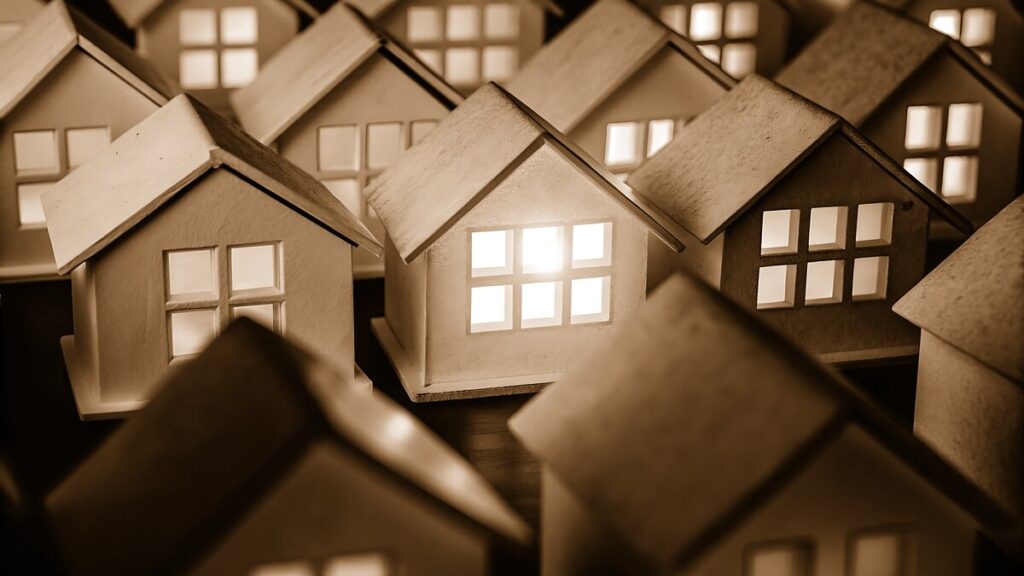
Lehi: even the name whispers of Arizona’s pioneer days, when fertile Salt River land offered promise and hope. Tucked into the northern edge of Mesa, Lehi’s story is deeply woven into the roots of the East Valley—its orchards, irrigation canals, and historic adobe homes painting a portrait of resilience and tight-knit community. Whether you’re strolling along Lehi Road or visiting Lehi Crossing today, you’re walking through a unique chapter of Arizona’s past.
The Birth of Lehi: Foundations in Faith and Farming
Lehi is Mesa’s oldest neighborhood, predating the city itself. The area was settled in 1877 by a small group of Mormon pioneers led by Daniel W. Jones. These early settlers were dispatched from Utah by Mormon church leaders to establish farming communities along the Salt River. Searching for rich soil and reliable water, they found the perfect plot in what would become Lehi—stretching from the modern intersection of Mesa Drive and McKellips Road eastward to the banks of the Salt River.
How did Lehi get its name? The pioneers chose to honor the ancient prophet Lehi from the Book of Mormon, symbolizing both beginnings and journeys into the unknown. The little village was mapped out carefully, with neat fields flanked by wide irrigation ditches—many of which still run through the neighborhood today.
Key Historical Milestones
- The Lehi School (1880s): Education has always been at Lehi’s heart. The very first Lehi School opened in a modest adobe house. By the 1920s, a sturdy red-brick schoolhouse was built at Lehi and Horne roads—a landmark that proudly stands as the Lehi School Museum, celebrating local heritage and serving as a window to the past.
- Canal-Building and Growth: Lehi’s survival depended on the network of canals dug by hand, drawing Salt River water to irrigate crops. The key canal, known as the Lehi Ditch, still carries water today, reflecting the early settlers’ ingenuity.
- Annexation to Mesa (1970): For decades, Lehi was an independent settlement with its own traditions, dance halls, and community events. In 1970, Lehi was formally annexed by the rapidly growing city of Mesa, bringing city services and new development while preserving Lehi’s historic character.
Landmarks and Stories That Endure
Lehi may be modest in size, but it boasts a handful of unforgettable sites:
- Lehi School Museum: The beautifully restored school at 2330 N. Horne is the cornerstone of the neighborhood’s historical memory. Inside, you’ll find original chalkboards, turn-of-the-century desks, and photographs documenting generations of Lehi children. The building is listed on the National Register of Historic Places.
- Lehi Crossing Neighborhood: Today’s new homes in Lehi Crossing sit on land once covered by orchards, fields, and cotton farms—a vivid illustration of how the neighborhood marries tradition and growth.
- Canals and Groves: Walking or cycling along the Arizona Canal or the historic Lehi Ditch, you can spot mature pecan trees and stretches of farmland that provide a glimpse into Lehi’s agricultural past.
- Lehi Park: Sitting just north of Thomas Road at 2228 N. Center Street, this peaceful pocket park was once the community hub for ice cream socials and summer baseball games. It’s still a favorite spot for family reunions and neighborhood picnics.
The Ties That Bind: Lehi’s Unique Community Spirit
What makes Lehi special isn’t just its vintage schoolhouse or old canal bridges; it’s the sense of continuity and community handed down through generations. Many current residents are descendants of original settlers—surnames like Crandall, Stapley, and Jones can be found on mailboxes and in church programs. Neighbors here greet each other by name, and annual gatherings still commemorate early pioneer days, with potluck picnics and heritage fairs at Lehi School or Lehi Park.
Tradition and progress mingle everywhere: century-old homes stand near energy-efficient new builds; horseback riders occasionally trot down quiet Canal Drive while kids play in new parks. Lehi’s Mormon heritage remains strong, but the neighborhood is now proudly diverse, welcoming families of all backgrounds who appreciate its rural charm inside city boundaries.
Lehi Today: Evolving While Honoring the Past
While Lehi remains largely residential, the neighborhood has seen thoughtful development along McKellips Road, with small businesses and places of worship reflecting Mesa’s vibrant cultural blend. At Lehi Crossing and surrounding areas, new homes attract families seeking a blend of city convenience and small-town warmth. At the same time, historic preservation efforts—led by the City of Mesa as well as local grassroots groups—ensure irreplaceable sites like the Lehi School Museum are protected and cherished.
Lehi’s open spaces and old-growth trees stand in gentle contrast to the rapidly urbanizing landscape of the Valley. The neighborhood remains a quiet retreat, where the pace is slower, neighbors gather for block parties, and you might see a grandfather teaching a grandchild to ride horseback.
Exploring Lehi: How to Savor the Heritage
Want to experience Lehi’s enduring charm for yourself? Here are a few ways to explore:
- Visit the Lehi School Museum to learn about early pioneer life and the history of farming in Mesa.
- Take a stroll or bike ride along the canal pathways. In spring, the scent of orange blossoms lingers, and the views of the Superstitions to the east are breathtaking.
- Attend a Lehi Days celebration, if you’re lucky enough to catch one—a local tradition full of music, food, and memories.
- Stop by Lehi Park for a quiet afternoon under the shade of pecan trees, or enjoy a picnic with friends.
Looking Toward the Future
Lehi’s history is more than just dates and buildings—it’s a living thread tying together past and present. As Mesa evolves, the people of Lehi remain proud stewards of their unique corner of the valley. They know that their story, like the canals that made Lehi possible, still flows strong and clear beneath the surface.
Visit, linger, and listen, and you’ll understand: Lehi is not only where Mesa began—it’s where community still feels like home.